
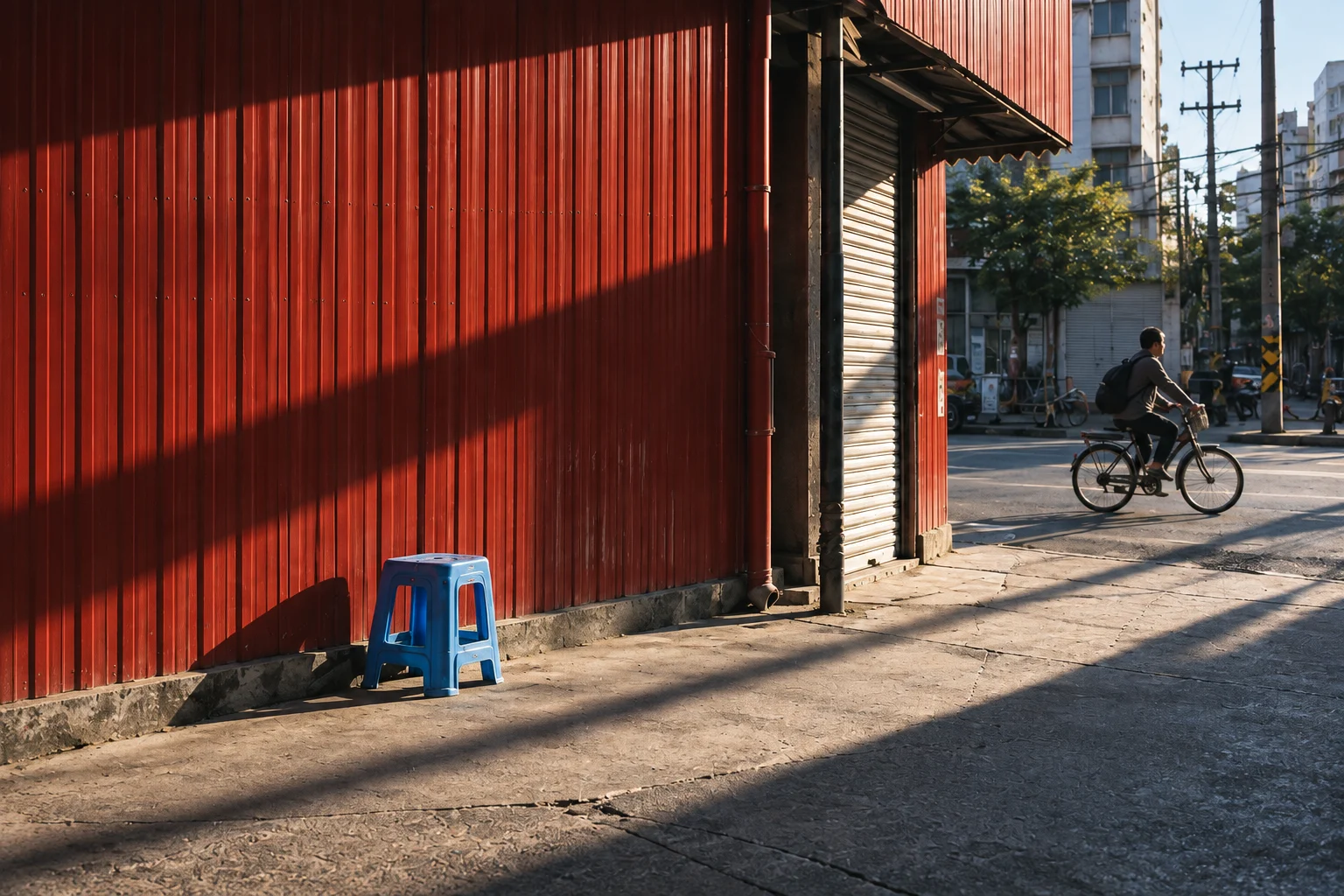
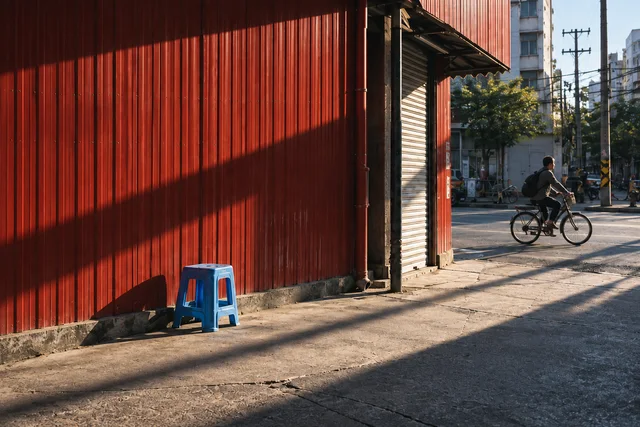
 DAYLIGHT · ROLL 001
An unplanned afternoon
2026.09.28 · 4/6 · SAMPLE ROLL
05—06—
Try shooting a roll with prepared photos, browse the sample gallery, or make a contact sheet in your browser.
The playground uses prepared images and keeps demo progress and drafts in your browser.
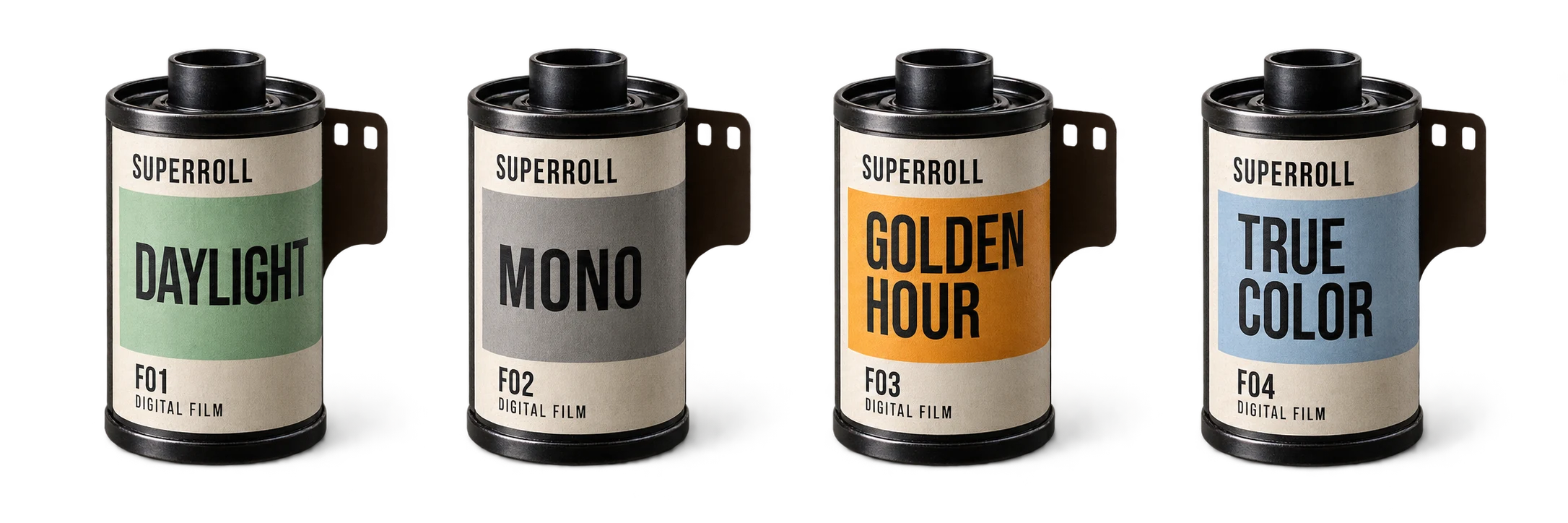
Sample film looks
Explore four prepared looks through sample photographs, each with its own approach to light and color.
Follow a patch of sunlight, a passing cyclist, a color on a wall. A warm, everyday film direction with room to breathe.
Look for a silhouette, a bright pavement, the shape of a quiet face. Contrast and grain bring attention to the structure of a photograph.
Warm highlights and a softer mood. A direction for the light you remember, from a window in the morning to the last sun on your way home.
A restrained color direction for simple compositions and everyday details. A natural look, rather than a claim of measured color accuracy.
02 / ONE ROLL AT A TIME
Switch rolls without losing your place. See each frame now, or reveal it after sealing and developing. Keep the original, whichever way you choose.
Return to a loaded roll where you left it. Each demo roll has six frames; seal early if you like. Each film uses a curated set matching its visual direction, without repeats within a roll. All 48 photographs remain available in the gallery and share editor.
Sealing finishes this roll. Switch to another to keep shooting.
On mobile, check media volume and silent mode if the shutter is quiet. Capture works without sound.
Interactive demo · Prepared images simulate capture and development. No camera or AI access. Progress stays in this browser across reloads and language changes; clearing browser data removes it.
03 / COLLECT THE DAYS
Take in the whole roll, then look closer at one frame. Color, monochrome, direct flash: a different way to remember each day.
DAYLIGHT · ROLL 0012026.09.28 · 4/6 · SAMPLE ROLL
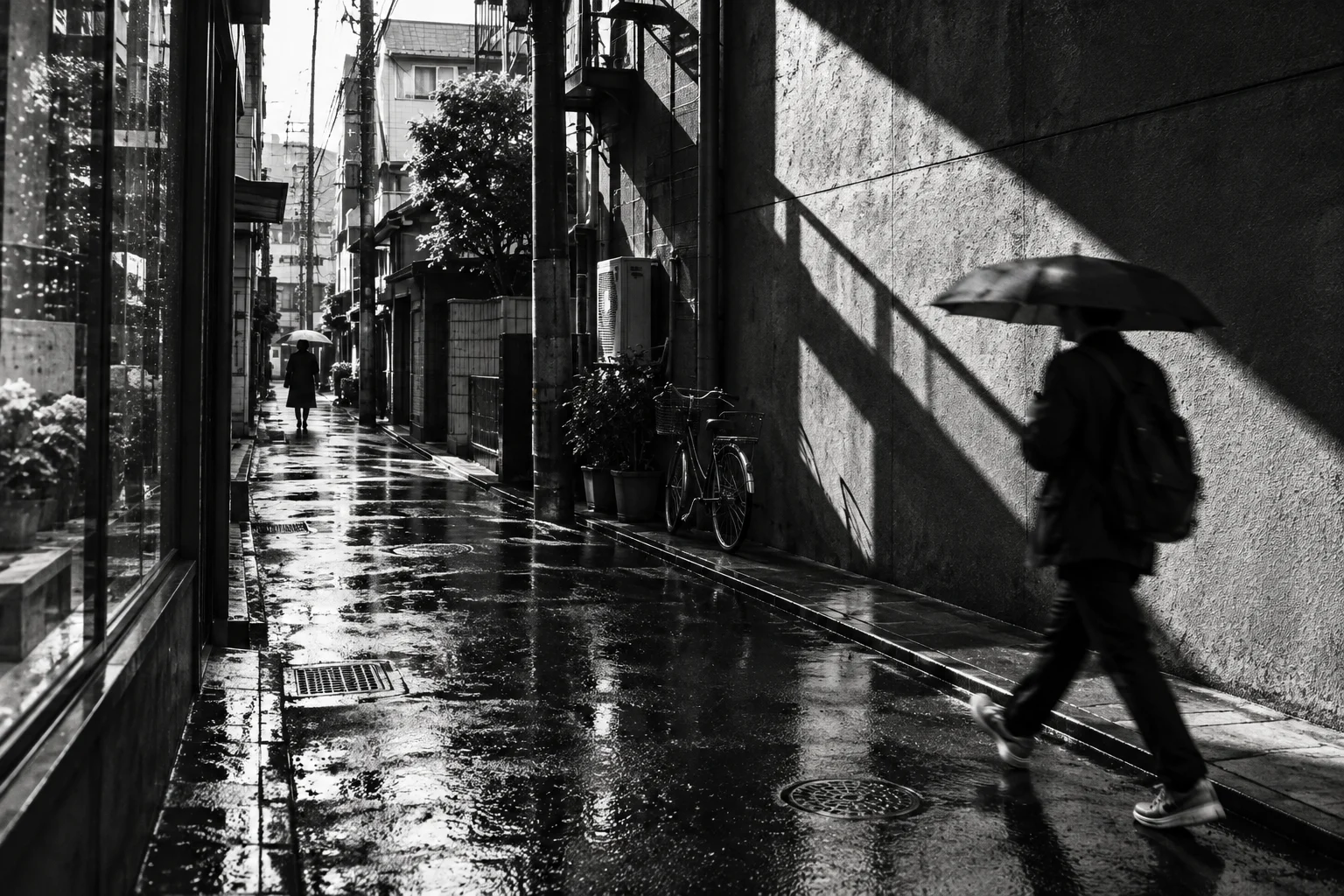 MONO · ROLL 002
2026.09.28 · 3/6 · SAMPLE ROLL
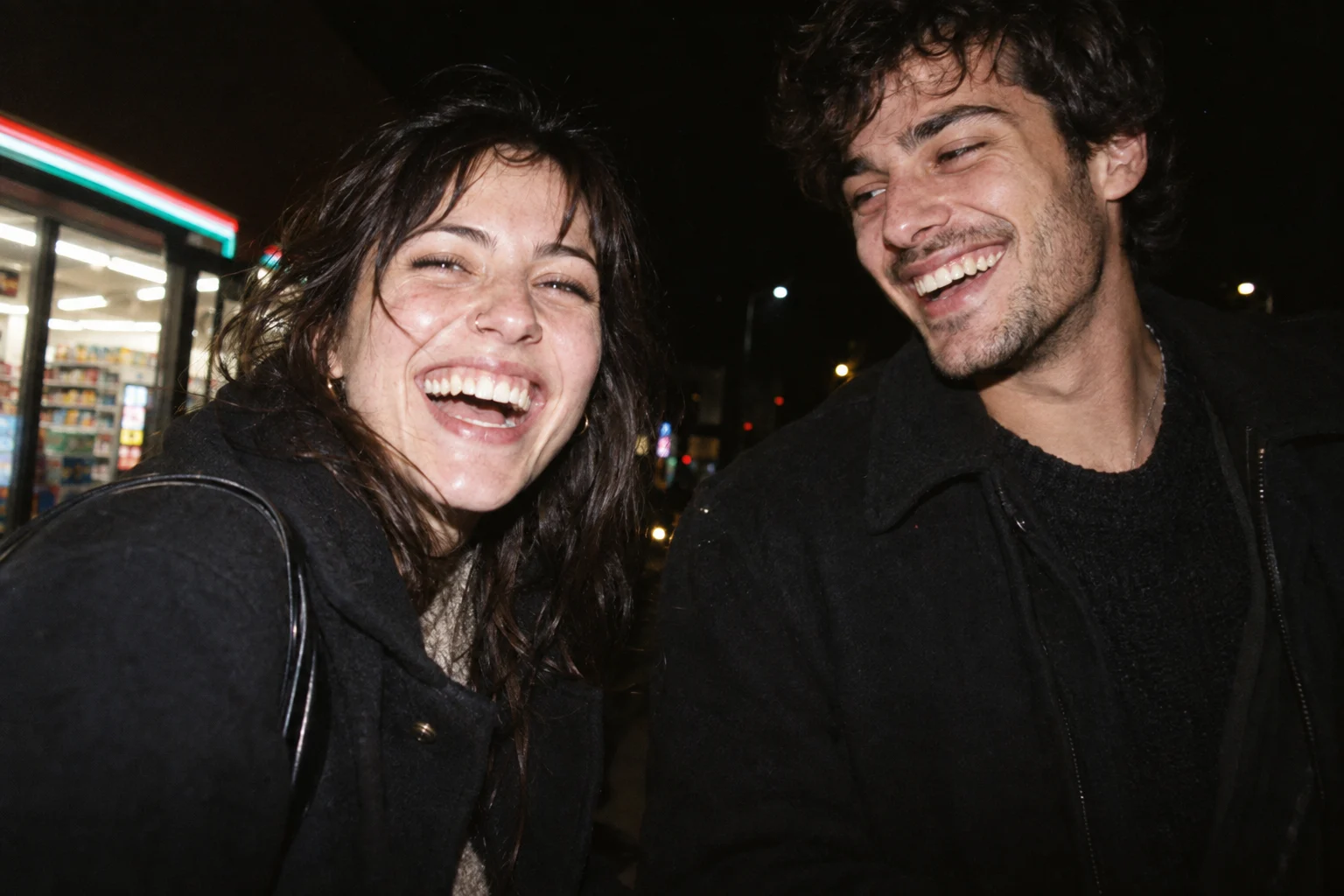 DIRECT FLASH / STUDY · ROLL 003
2026.09.28 · 4/6 · SAMPLE ROLL
Sample rolls curated from original concept imagery. Numbers and dates are illustrative, not real capture records. DIRECT FLASH is a photographic study, not a released film.
SELECTED FRAMES / PHOTOGRAPHIC STUDIES
A candid street. A quiet morning. A beautiful accident. Explore different photographic languages — and find a little of yourself in each.
Look at the edges of light and shadow before the subject. Place a figure against a clear tonal background.
Notice where window light falls. Keep one ordinary object and leave a little space around it.
Choose one dominant color and wait for a smaller contrasting detail. Try a lower viewpoint to simplify the background.
Start with a simple silhouette. Change one thing at a time—movement, reflection or a second layer—and compare what stays readable.
Bring a small subject close and leave room behind it. Observe how direct light separates it from the darker background.
Choose one dominant color and wait for a smaller contrasting detail. Try a lower viewpoint to simplify the background.
Look at the edges of light and shadow before the subject. Place a figure against a clear tonal background.
Choose one dominant color and wait for a smaller contrasting detail. Try a lower viewpoint to simplify the background.
Notice where window light falls. Keep one ordinary object and leave a little space around it.
Look at the edges of light and shadow before the subject. Place a figure against a clear tonal background.
Bring a small subject close and leave room behind it. Observe how direct light separates it from the darker background.
Start with a simple silhouette. Change one thing at a time—movement, reflection or a second layer—and compare what stays readable.
Choose one dominant color and wait for a smaller contrasting detail. Try a lower viewpoint to simplify the background.
Bring a small subject close and leave room behind it. Observe how direct light separates it from the darker background.
Bring a small subject close and leave room behind it. Observe how direct light separates it from the darker background.
Choose one dominant color and wait for a smaller contrasting detail. Try a lower viewpoint to simplify the background.
Choose one dominant color and wait for a smaller contrasting detail. Try a lower viewpoint to simplify the background.
Look at the edges of light and shadow before the subject. Place a figure against a clear tonal background.
Look at the edges of light and shadow before the subject. Place a figure against a clear tonal background.
Look at the edges of light and shadow before the subject. Place a figure against a clear tonal background.
Notice where window light falls. Keep one ordinary object and leave a little space around it.
Notice where window light falls. Keep one ordinary object and leave a little space around it.
Notice where window light falls. Keep one ordinary object and leave a little space around it.
Notice where window light falls. Keep one ordinary object and leave a little space around it.
Start with a simple silhouette. Change one thing at a time—movement, reflection or a second layer—and compare what stays readable.
Start with a simple silhouette. Change one thing at a time—movement, reflection or a second layer—and compare what stays readable.
Start with a simple silhouette. Change one thing at a time—movement, reflection or a second layer—and compare what stays readable.
Start with a simple silhouette. Change one thing at a time—movement, reflection or a second layer—and compare what stays readable.
Bring a small subject close and leave room behind it. Observe how direct light separates it from the darker background.
Bring a small subject close and leave room behind it. Observe how direct light separates it from the darker background.
Keep a bold shape near the center and let the edges be imperfect. Try a bright everyday scene with only a few colors.
Keep a bold shape near the center and let the edges be imperfect. Try a bright everyday scene with only a few colors.
Keep a bold shape near the center and let the edges be imperfect. Try a bright everyday scene with only a few colors.
Keep a bold shape near the center and let the edges be imperfect. Try a bright everyday scene with only a few colors.
Keep a bold shape near the center and let the edges be imperfect. Try a bright everyday scene with only a few colors.
Keep a bold shape near the center and let the edges be imperfect. Try a bright everyday scene with only a few colors.
Use an existing light source as your starting point. Steady the phone and expose for the bright area; let some shadows remain.
Use an existing light source as your starting point. Steady the phone and expose for the bright area; let some shadows remain.
Use an existing light source as your starting point. Steady the phone and expose for the bright area; let some shadows remain.
Use an existing light source as your starting point. Steady the phone and expose for the bright area; let some shadows remain.
Use an existing light source as your starting point. Steady the phone and expose for the bright area; let some shadows remain.
Use an existing light source as your starting point. Steady the phone and expose for the bright area; let some shadows remain.
Include something of the person’s surroundings. Ask permission, stay at their eye level and wait for a natural gesture.
Include something of the person’s surroundings. Ask permission, stay at their eye level and wait for a natural gesture.
Include something of the person’s surroundings. Ask permission, stay at their eye level and wait for a natural gesture.
Include something of the person’s surroundings. Ask permission, stay at their eye level and wait for a natural gesture.
Include something of the person’s surroundings. Ask permission, stay at their eye level and wait for a natural gesture.
Include something of the person’s surroundings. Ask permission, stay at their eye level and wait for a natural gesture.
A study in photographic languages. Original AI-generated concept imagery.
Prepared photo edits
Every frame starts with an original. Development is one expression, with room for another. Compare versions and let your own eye decide.
Bring back the feeling of being there.
Tidy up the details that pull your eye away.
Keep the original close. Let your own eye decide.
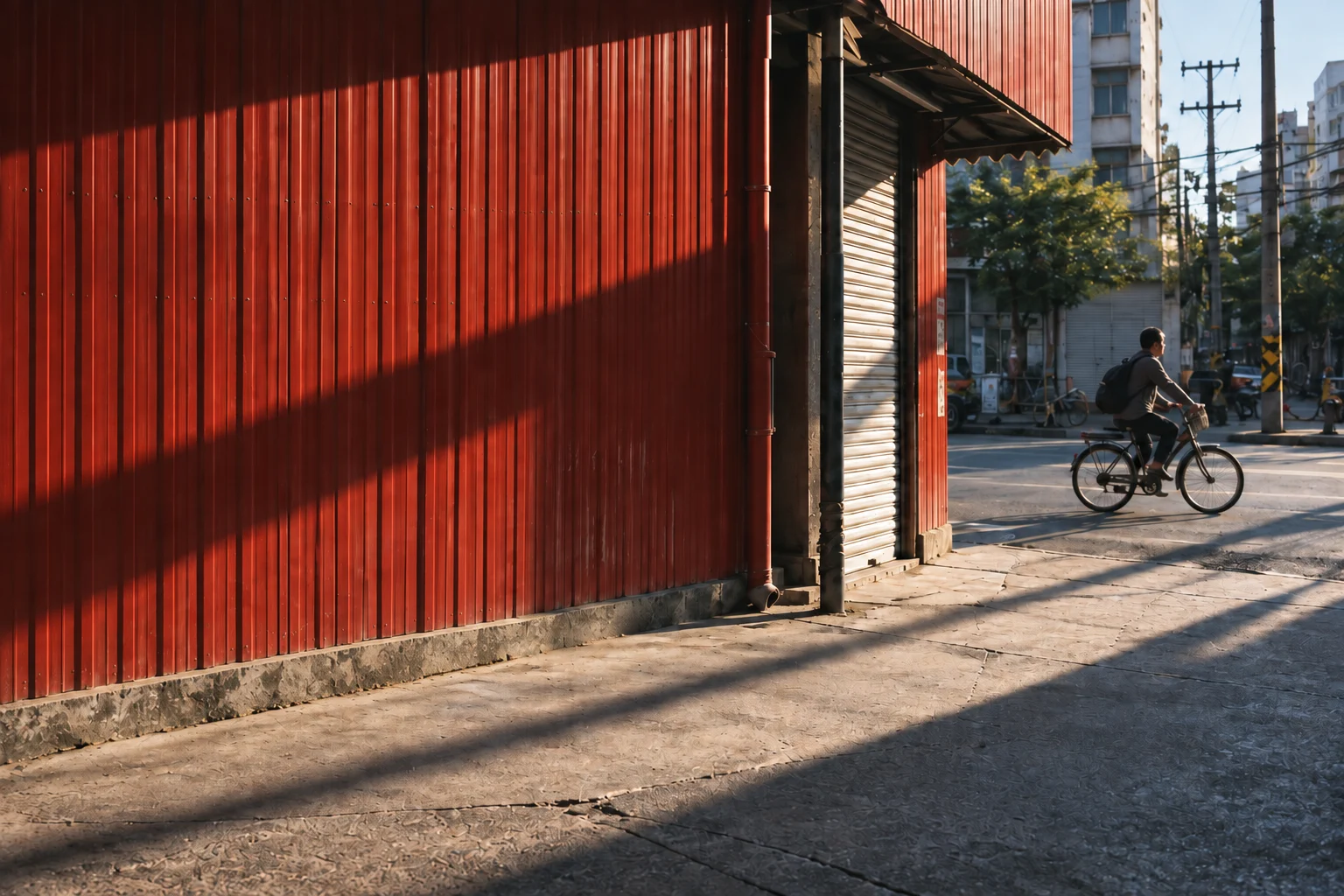
Prepared versions of one original · object removal
AI image examples
See how prepared AI images reinterpret the same photograph with blue-hour flash, watercolor and an illustrated sticker.
THE STARTING POINT
ORIGINAL / 001
Imagine this afternoon at blue hour, with a burst of direct flash. Explore how light changes the mood of a photograph.
A NEW DIRECTION
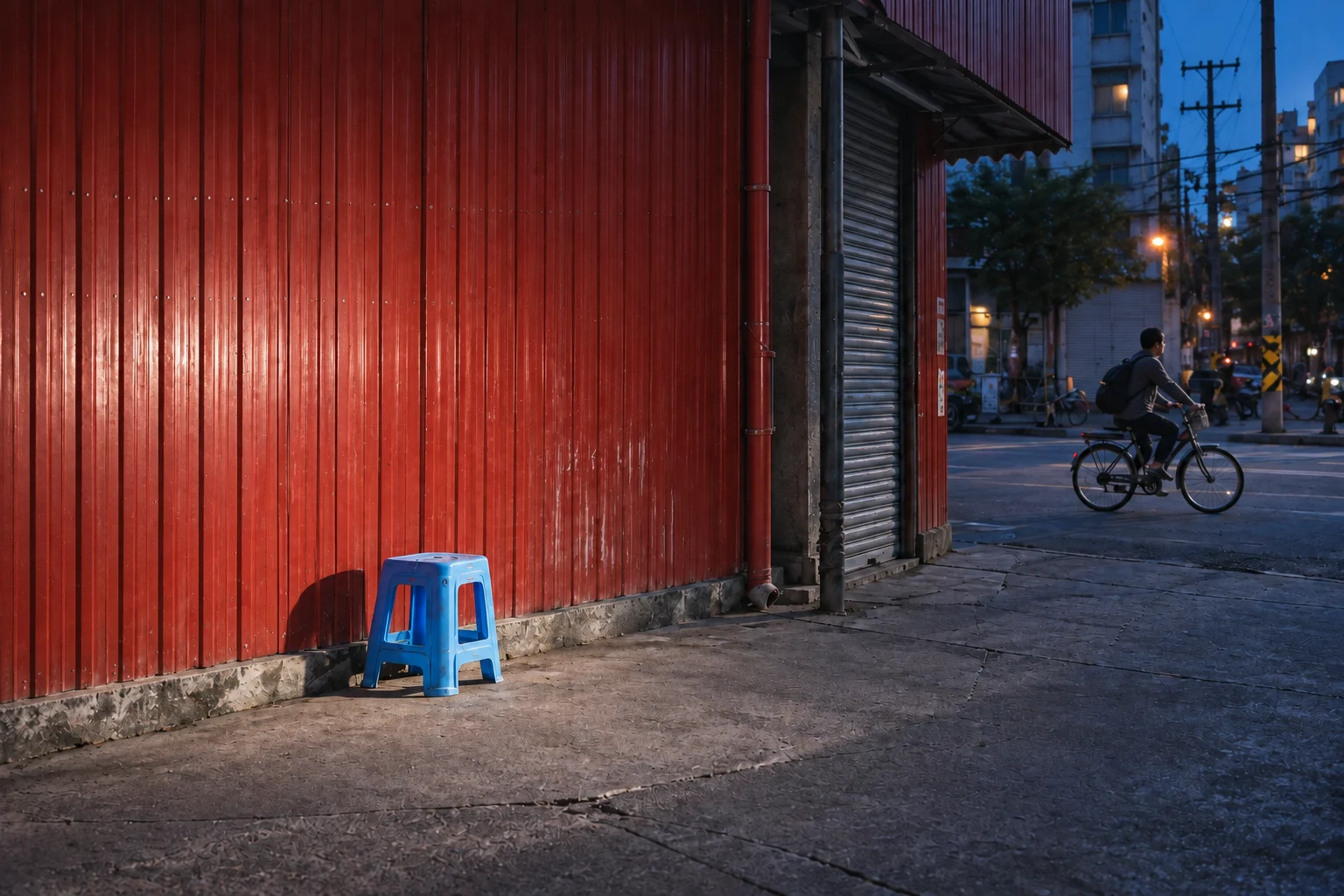
Blue hour + direct flashAI / 01
THE STARTING POINT
ORIGINAL / 001
Turn a place you loved into a watercolor postcard. Keep the memory; find a new texture.
A NEW DIRECTION
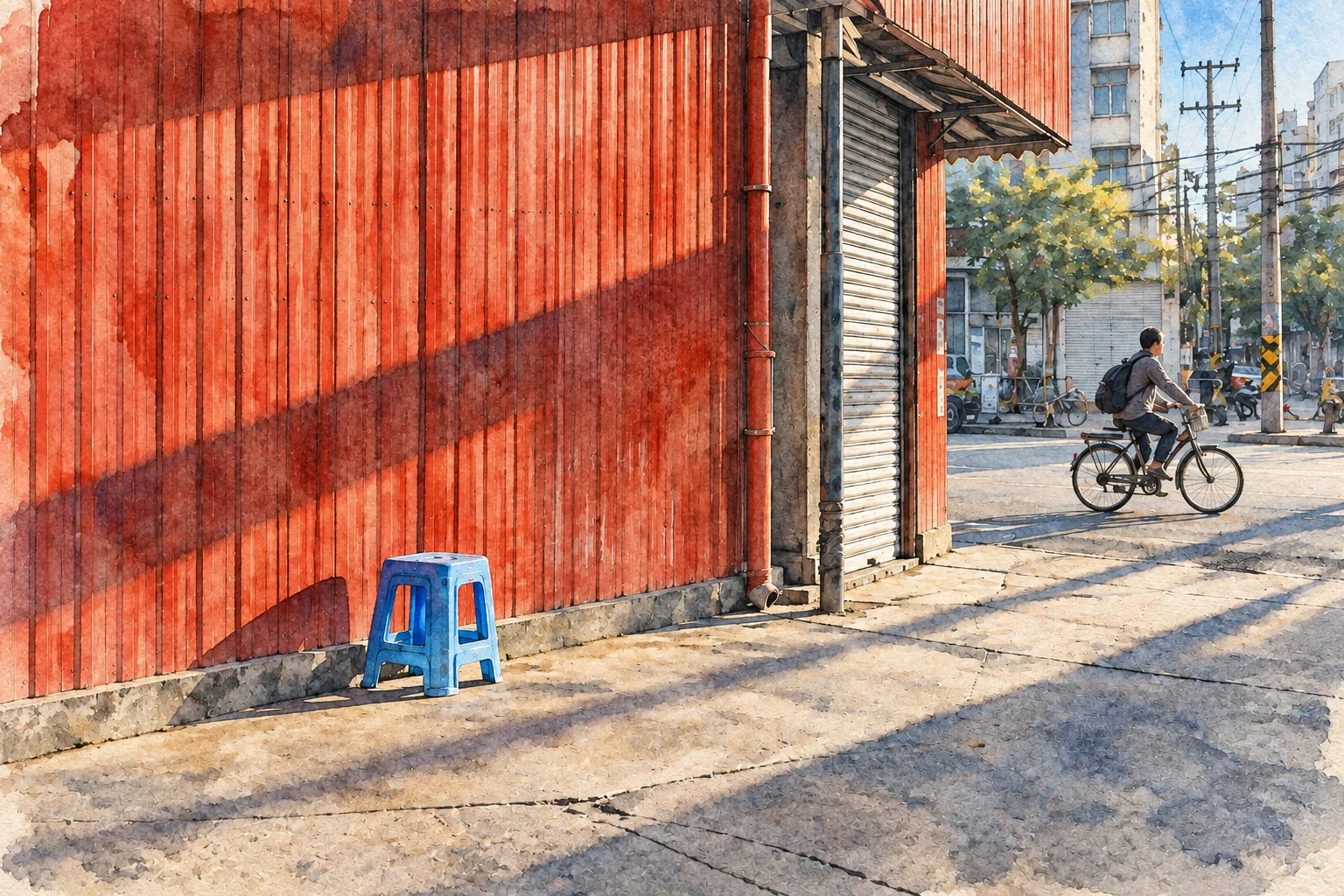
A place, reimaginedAI / 02
THE STARTING POINT
ORIGINAL / 001
Give a subject an illustrated outline while the world around it stays photographic.
A NEW DIRECTION
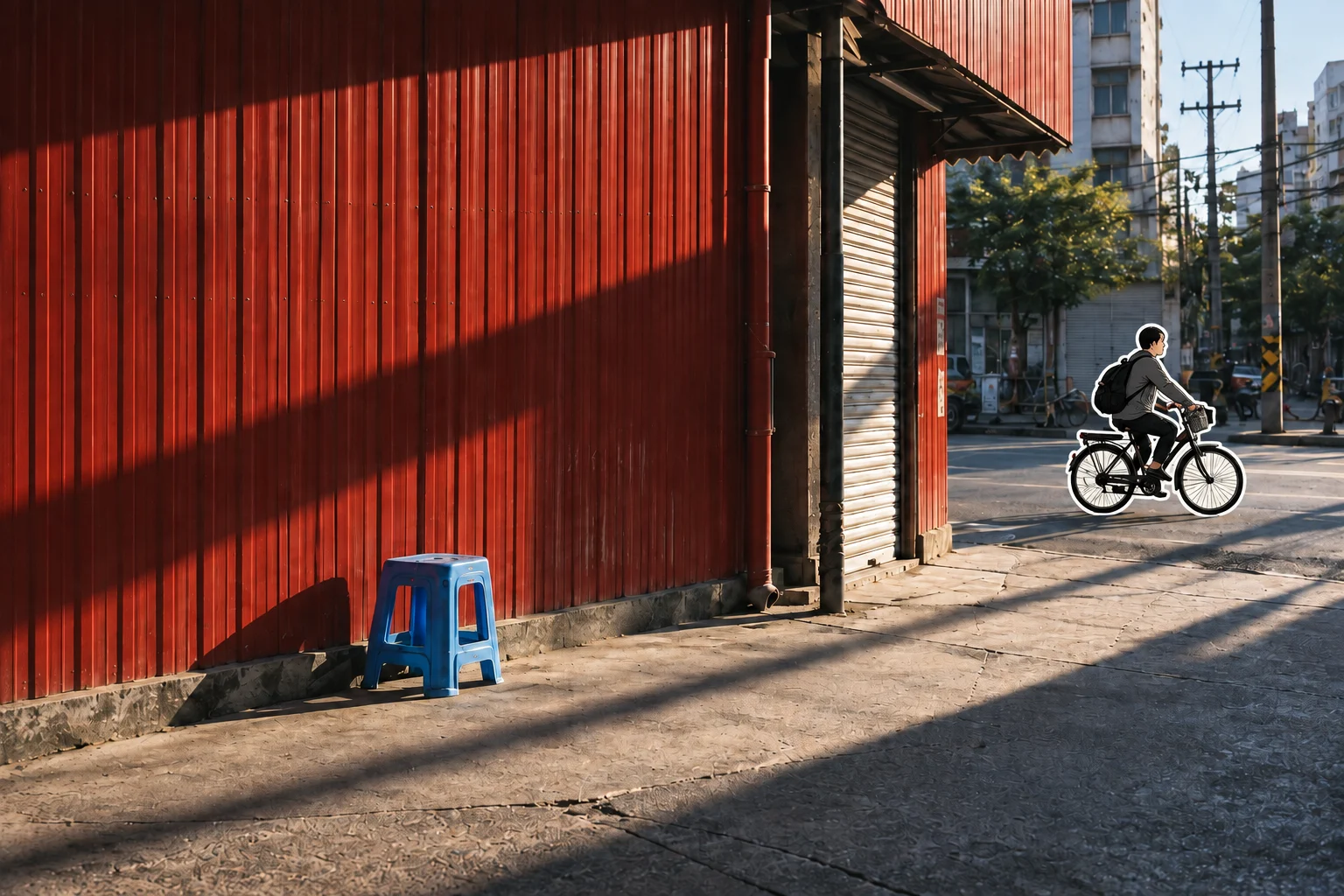
A small creative twistAI / 03
Prepared AI concept images.
How the AI editing examples were made